




In today’s competitive business landscape, branding is not solely reserved for consumer-oriented companies. B2B businesses must also recognise the significant impact that a well-crafted brand strategy can have on their success.
While B2B deals may primarily revolve around rational decision-making, effective branding goes beyond just products and services. It fosters trust, enhances reputation, and establishes a distinct identity in the minds of potential clients. In this article we’ll explore the crucial reasons why B2B businesses must invest in branding and how an effective branding strategy can facilitate B2B growth.
Understanding B2B Branding
While the principles of branding remain consistent across B2B (Business to Business) and B2C (Business to Customer) contexts, B2B branding requires a tailored approach to cater to the specific needs and dynamics of the business landscape. B2B branding goes beyond product features and specifications. It encompasses the strategic development and communication of a company’s identity, values, and reputation. It involves crafting a compelling brand story and value proposition that resonates with key stakeholders, such as business partners and industry professionals.
Unlike B2C branding, B2B branding emphasises long-term relationships and rational decision-making. It aims to instil confidence, trust, and credibility among potential clients. While emotional appeal may take a back seat, B2B branding still strives to create a positive perception of the company brand and evoke a sense of reliability and expertise. B2B branding often involves complex sales cycles, multiple touchpoints, and a diverse set of decision-makers within the clients’ businesses. An effective B2B brand strategy considers these intricate dynamics and tailors brand messaging and positioning to address the specific pain points, challenges, and goals of the target audience.
By understanding the unique aspects of B2B branding, businesses can unlock the power of strategic brand development to differentiate themselves in the marketplace, foster trust as well as brand loyalty, and build lasting relationships with their B2B clients.
Leveraging A Strong B2B Brand for Growth
In one of our previous articles we’ve discussed brand equity and how to measure it. It refers to the value your company gains from your brand’s recognition as a result of your brand strategy. In simple terms – brand value or equity is the perceived value of your brand by the customers. It plays a vital role in the growth and success of B2B businesses. Leveraging branding strategically can yield significant advantages and open doors to new opportunities. Here’s how B2B businesses can harness the power of branding for growth:
Enhancing Market Presence
A strong brand can amplify a B2B company’s visibility and recognition within its target market. A well-established brand with a positive reputation often attracts attention and generates interest from potential customers, partners, and industry influencers. This increased market presence can lead to new business opportunities, partnerships, and collaborations.
Building Trust and Credibility
Brand equity instils confidence in B2B buyers. A reputable brand is perceived as reliable, trustworthy, and knowledgeable. When faced with numerous options during the buying process, decision-makers are more likely to choose a brand they recognise and trust. By consistently delivering quality products, services, and an excellent customer experience, B2B businesses can strengthen their brand value, leading to increased trust and credibility among potential and existing customers.
Expanding Customer Base
Positive brand value can facilitate customer acquisition. Satisfied clients become loyal advocates, sharing their positive experiences and referring the brand to others. Word-of-mouth recommendations and referrals are powerful tools in B2B marketing. A strong B2B brand strategy can help attract new customers and expand the customer base, fuelling business growth.
Commanding Premium Pricing
Brands with a strong equity can often charge premium prices for their products or services. B2B buyers perceive value in established brands, and they are willing to pay a higher price for the associated quality, reliability, and expertise. This pricing advantage can contribute to increased profitability and revenue growth for B2B businesses.
Facilitating Market Entry and Expansion
Branding can pave the way for successful market entry or expansion into new segments or geographies. A trusted brand name can ease the barriers to entry by reducing scepticism and resistance from prospective customers. It provides a solid foundation to launch new offerings or enter untapped markets.
To fully leverage your branding for growth, B2B businesses must consistently nurture and manage their brand identity, reputation, and customer relationships. By delivering on brand promises, maintaining a strong market presence, and cultivating positive associations, B2B businesses can unlock the potential of branding and position themselves for sustainable growth and success.
Real-Life Examples Of B2B Branding Impact
To truly grasp the transformative power of branding in the B2B sector, let’s look at a few examples of companies that have successfully harnessed branding and marketing strategies to make a significant impact:
IBM
IBM, a multinational technology company, has strategically built an effective B2B brand strategy. Their branding and marketing efforts have focused on positioning themselves as a trusted provider of innovative solutions and services. IBM’s branding has allowed them to command a premium in the market and attract high-profile clients, establishing them as a leader in the technology industry.
Salesforce
Salesforce, a cloud-based software company, has cultivated a strong B2B brand centred around customer relationship management (CRM) solutions. Through their branding efforts, Salesforce’ marketing team has emphasised their commitment to customer success, reliability, and continuous innovation. Their branding has played a vital role in establishing them as a go-to solution for businesses of all sizes, resulting in substantial market growth.
Adobe
Adobe, a leading software company, has effectively positioned itself as a trusted provider of creative and digital marketing solutions. Their branding emphasises creativity, design excellence, and empowering professionals in various industries. Adobe’s branding has not only attracted a loyal customer base but their brand positioning has also facilitated successful expansions into new markets and the acquisition of complementary businesses.
Maersk
Maersk, a global shipping and logistics company, has invested in building a strong B2B brand known for reliability and efficiency. Through their branding efforts, Maersk has established themselves as a trusted partner for businesses in need of seamless logistics solutions. Their brand value has helped them differentiate from competitors and expand their presence in the global shipping industry.
These examples highlight how strategic branding can bring B2B businesses to new heights. By effectively communicating their unique value propositions, establishing trust, and consistently delivering on promises, these companies have solidified their positions in the market and experienced remarkable growth.
The above success stories demonstrate that branding is not limited to consumer-focused companies; it is equally relevant and impactful in the B2B landscape. By effectively communicating their unique value propositions, establishing trust, and consistently delivering on the brand promise, these companies have solidified their positions in the market and experienced remarkable growth. So, how can B2B businesses develop their own B2B brand strategy, tailored to their industry, target audiences, and business objectives?
Implementing an Effective B2B Brand Strategy
Implementing a robust and effective branding strategy is essential for businesses looking to differentiate themselves, foster trust, and drive growth. Here are key steps to consider when developing and executing a successful B2B brand strategy:
Define Your Brand Identity
Start by clearly defining your brand’s identity, including your brand purpose, mission and value proposition. Understand what sets your business apart from competitors and how you want to be perceived by your target audience.
Know Your Target Audience
Gain a deep understanding of your target audience, their pain points, motivations, and decision-making processes. Tailor your brand message, brand voice and positioning to resonate with their needs and aspirations.
Conduct a Brand Audit
Evaluate your current brand assets, including your logo, tagline, website, and marketing collateral. Ensure consistency and coherence across all touchpoints. Identify areas for improvement and align them with your brand identity and brand personality.
Develop a Compelling Brand Story
Craft a compelling narrative that communicates your brand values, mission, and the value you bring to your customers. Emphasise the impact your products or services have on solving their challenges and achieving their goals.
Build Brand Awareness
Develop a comprehensive brand awareness strategy to increase visibility and recognition. Leverage various channels such as digital marketing, content marketing, social media, industry events, and thought leadership initiatives to reach your target audience effectively.
Establish Thought Leadership
Position yourself and your company as industry experts by sharing valuable insights, knowledge, and expertise. Publish thought leadership content, participate in industry events as speakers or panellists, and contribute to reputable publications to build credibility and establish trust.
Foster Brand Consistency
Consistency is crucial in B2B branding. Ensure that your brand messaging, visual identity, and tone of voice are consistent across all communication channels and touchpoints. This consistency reinforces your brand’s identity and helps build recognition and trust.
Engage and Delight Customers
Focus on building strong, lasting relationships with your customers. Provide exceptional customer experiences, personalised interactions, and prompt support. Encourage feedback and testimonials to showcase the value your brand delivers.
Measure and Adapt
Continuously measure the effectiveness of your branding efforts. Monitor key performance indicators (KPIs) such as brand awareness, customer satisfaction, and lead generation. Use data and insights to refine your strategy, adapting to market trends and customer feedback.
Evolve and Innovate
Keep your brand strategy dynamic and adaptable. Stay informed about industry trends, emerging technologies, and evolving customer needs. Continually innovate and evolve your brand to maintain relevance and stay ahead of the competition.
By following these steps, B2B businesses can implement an effective brand strategy that strengthens their market position, fosters customer loyalty, and drives sustainable growth in the ever-changing business landscape.
Enhance Your B2B Marketing With Brandr Index
Now, for some specific steps you can take today to improve your brand perception and B2B marketing strategy. Strong brands monitor all their marketing campaigns and branding campaigns to find room for improvements. And that’s exactly what brandr Index can do for you.
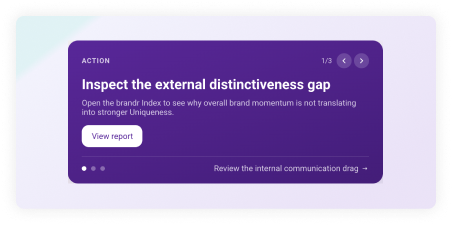
It’s a branding research solution that provides you with a complete overview of your brand’s health as well as how it compares to your competitors. Most brands use our solution once a year to conduct a thorough analysis of their brand’s position on the market, against the competition and in the customers’ minds. The solution takes into account the target audience and market as well as employees and other internal stakeholders. Based on years of experience with brand management, we create a report that has actionable insights that you can take directly to your marketing team and start implementing right away.
If you’d like to get started with your evaluation – schedule a consultation with one of our branding experts.




.jpg)
.jpg)